
Antimicrobial Resistance
Information Center
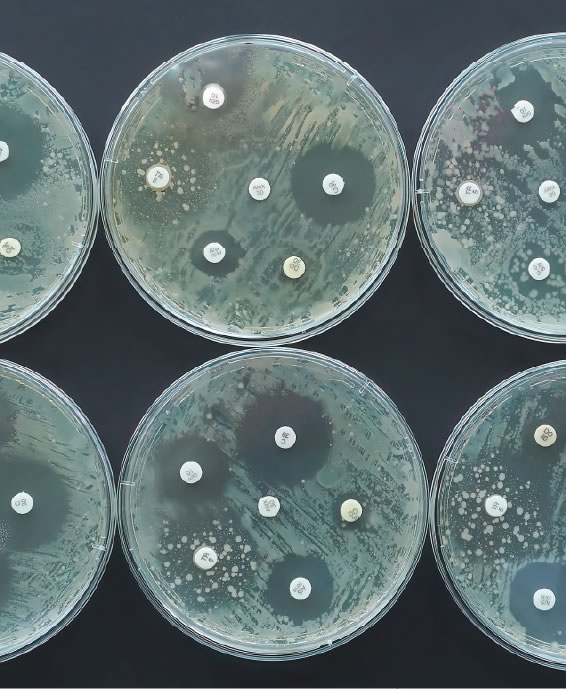
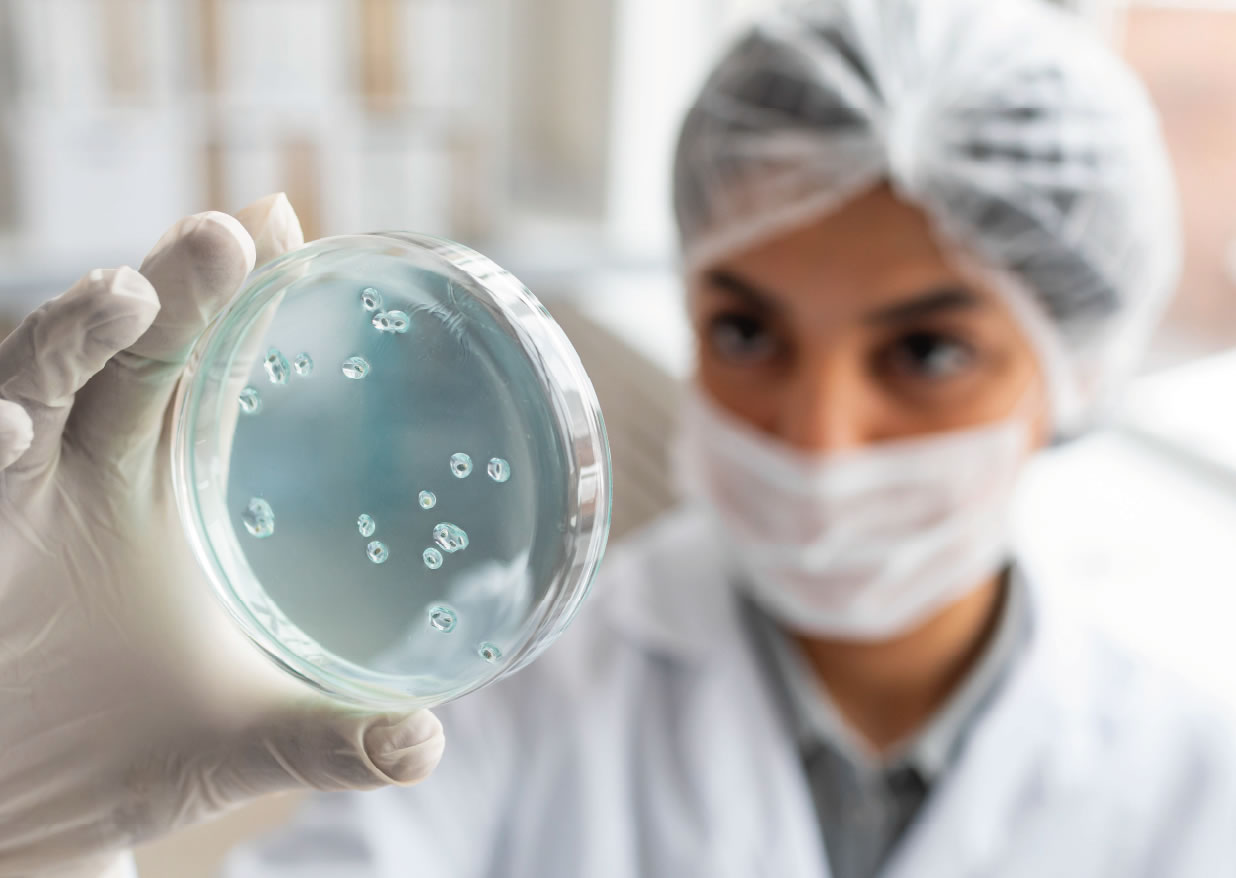
Antimicrobial Resistance (AMR) occurs when micro-organisms such as bacteria evolve mechanisms that allow them to survive exposure to antimicrobial drugs designed to kill them or inhibit their growth. As a result, common infections in both animals and humans become harder — and sometimes impossible — to treat.
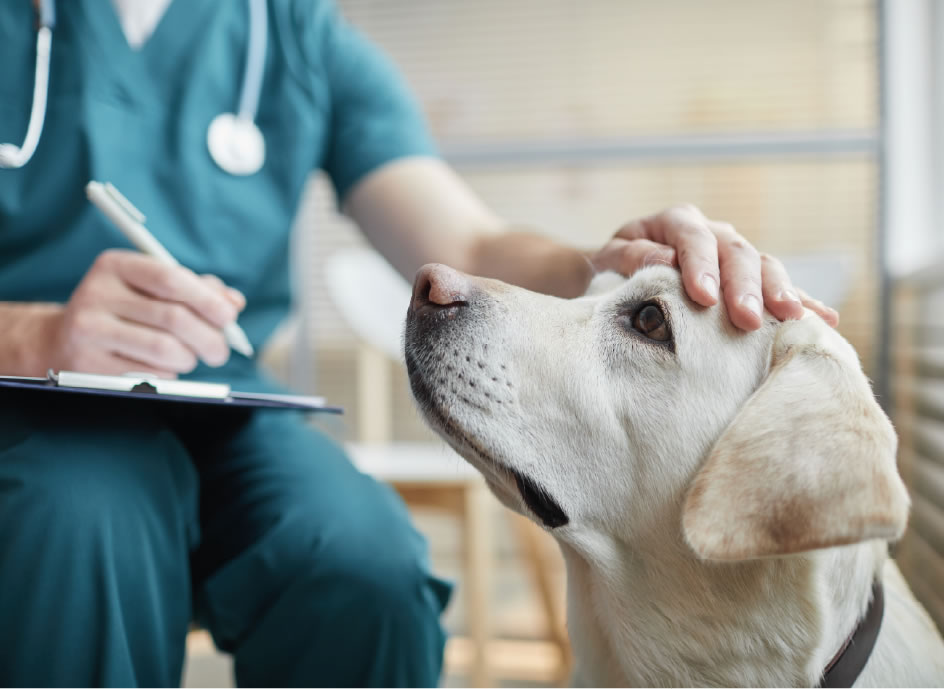
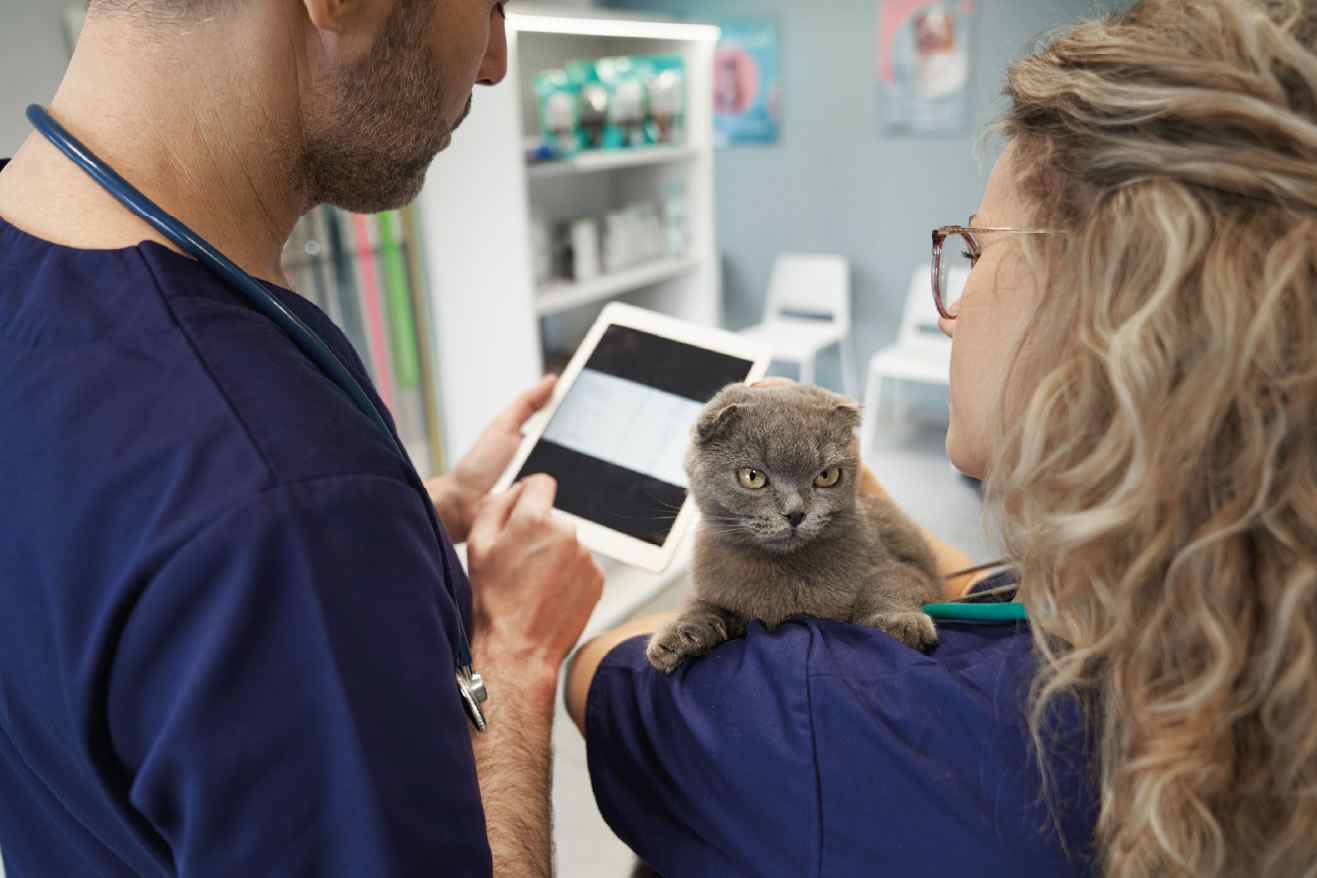
AMR is a One Health issue: the health of animals, humans, and the environment is deeply interconnected. Scientific evidence has shown that animals can act as reservoirs of resistant bacteria and resistance genes, which may be transmitted to humans through direct contact, the food chain, or shared environments. Addressing AMR therefore requires coordinated action across veterinary medicine, human healthcare, and environmental management, to preserve the effectiveness of antimicrobials for all.
Current scientific evidence shows that antimicrobial resistance circulates across the human–animal–environment interface. Veterinary medicine therefore plays a critical role in preventing, detecting, and limiting the spread of resistance — protecting both animal health and public health.
Mu Jin, Marwan Osman, Brianna A. Green, Yufan Yang, Aditi Ahuja, Zhengyu Lu & Casey L. Cazer. Evidence for the transmission of antimicrobial resistant bacteria between humans and companion animals: A scoping review. One Health. 2023;17:100593. doi:10.1016/j.onehlt.2023.100593 — https://pmc.ncbi.nlm.nih.gov/articles/PMC10336692/
B.A. Wee, D.M. Muloi & B.A.D. van Bunnik. Quantifying the transmission of antimicrobial resistance at the human and livestock interface with genomics. Clinical Microbiology and Infection. 2020 Dec;26(12):1612–1616. doi:10.1016/j.cmi.2020.09.019 — https://doi.org/10.1016/j.cmi.2020.09.019 / https://pmc.ncbi.nlm.nih.gov/articles/PMC7721588/
C. Morel. Transmission of antimicrobial resistance from livestock agriculture to humans and from humans to animals. OECD Food, Agriculture and Fisheries Papers, No. 133. 2019. doi:10.1787/fcf77850-en — https://doi.org/10.1787/fcf77850-en
“You and Your Pet Can Share Resistance to Certain Medications. Here’s How.” Tufts University Cummings School of Veterinary Medicine, May 13, 2025
Key References – Antimicrobial Resistance (Plain-Language Summaries)
- Jin et al., 2023 – One Health
This review shows that companion animals and humans can share antibiotic-resistant bacteria, with evidence that transmission may occur in both directions through close contact.
https://pmc.ncbi.nlm.nih.gov/articles/PMC10336692/ - Wee et al., 2020 – Clinical Microbiology and Infection
Using genomic data, this study demonstrates that antimicrobial resistance genes can move between livestock and human populations within shared
production and environmental systems.
https://pmc.ncbi.nlm.nih.gov/articles/PMC7721588/ - OECD, 2019
This international report confirms that livestock production can contribute to the spread of antimicrobial resistance to humans, while also Highlighting that transmission can occur from humans to animals.
https://doi.org/10.1787/fcf77850-en - Tufts University – Cummings School of Veterinary Medicine, 2025
This article, based on veterinary clinical data, illustrates that pets and their owners may share resistant bacteria when living in the same household
environment.
https://now.tufts.edu/2025/05/13/you-and-your-pet-can-share-resistance-certain-medications-heres-how/ - World Health Organization, 2024
The WHO emphasizes that controlling antimicrobial resistance is only possible through a One Health approach integrating human health, animal health, and environmental stewardship.
About NG Biotech…
The company, founded by pioneers of the rapid test industry, has developed a proprietary patented immunoassay platform enabling the development of qualitative and multiplex point of care diagnostics. Results are obtained in few minutes from a single drop of blood (or any other type of sample).
NG Biotech sells a range of CE marked rapid tests Worldwide. Product validations are performed in comparison to laboratory standard reference methods such as Elisa or HPLC. The company is ISO 13485:2016 certified.
Current production capacity is of more than 4 million tests per month.
At NG Biotech we support our partners’ Innovation meeting their screening and monitoring needs; we develop new solutions for their applications. Targeted areas are m-Health, Companion and Medical Diagnostics. We also cover Animal Health, Agriculture and Biodefense among others. We put our know-how and expertise in product development, manufacturing and product registration at your service.
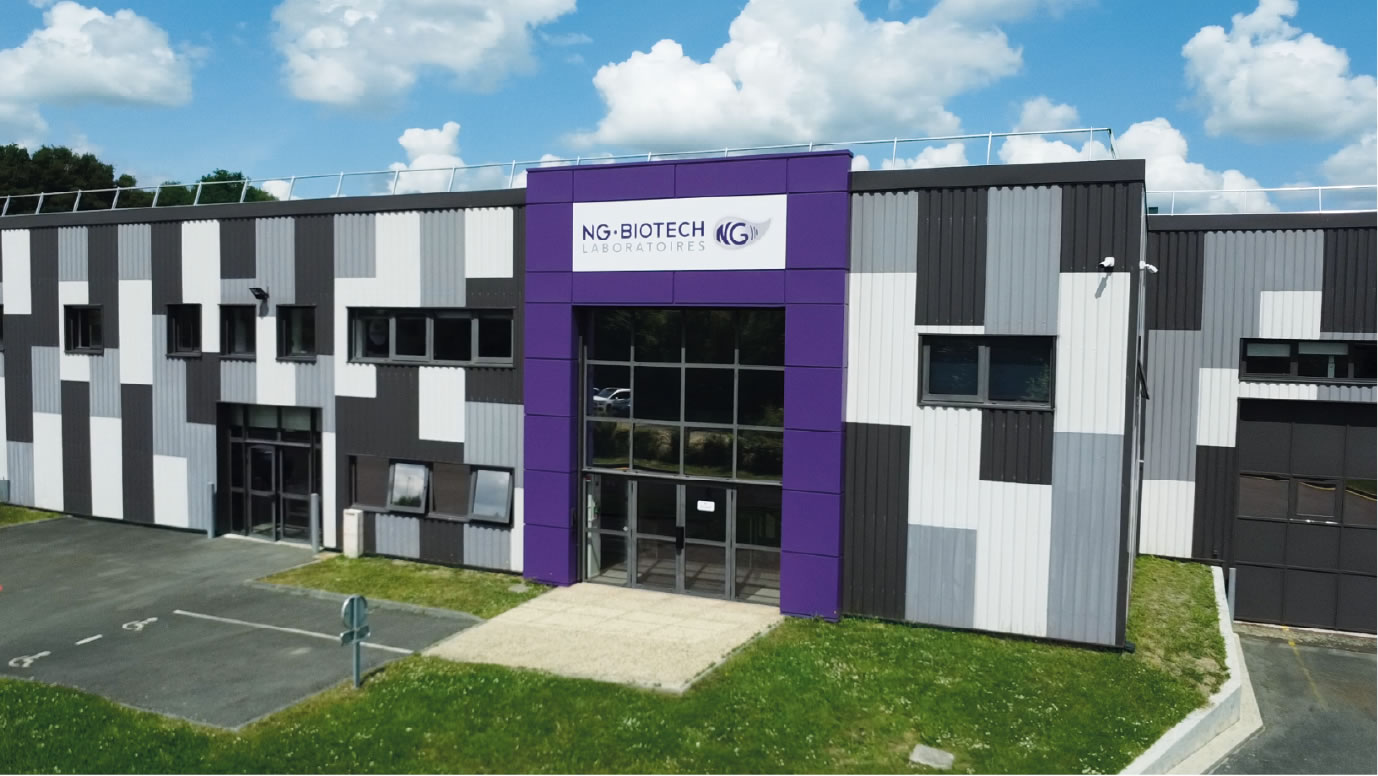
Atelier relais le Tremplin,
Parc d’Activité de Courbouton, secteur 1
35 480 Guipry – France
Phone +33(0)2 23 30 17 83
Email: contact@ngbiotech.com
For any technical or regulatory questions, please contact directly:
support@ngbiotech.com
CONTACT US